How Caregivers Help Seniors With Everyday Tasks at Home
As people grow older, everyday activities that once felt simple can sometimes become more difficult. Getting dressed, preparing meals, keeping the house organized, getting around safely, or remembering daily routines may require additional support. For many older adults, having assistance at home can make these tasks easier while allowing them to remain in a familiar environment.
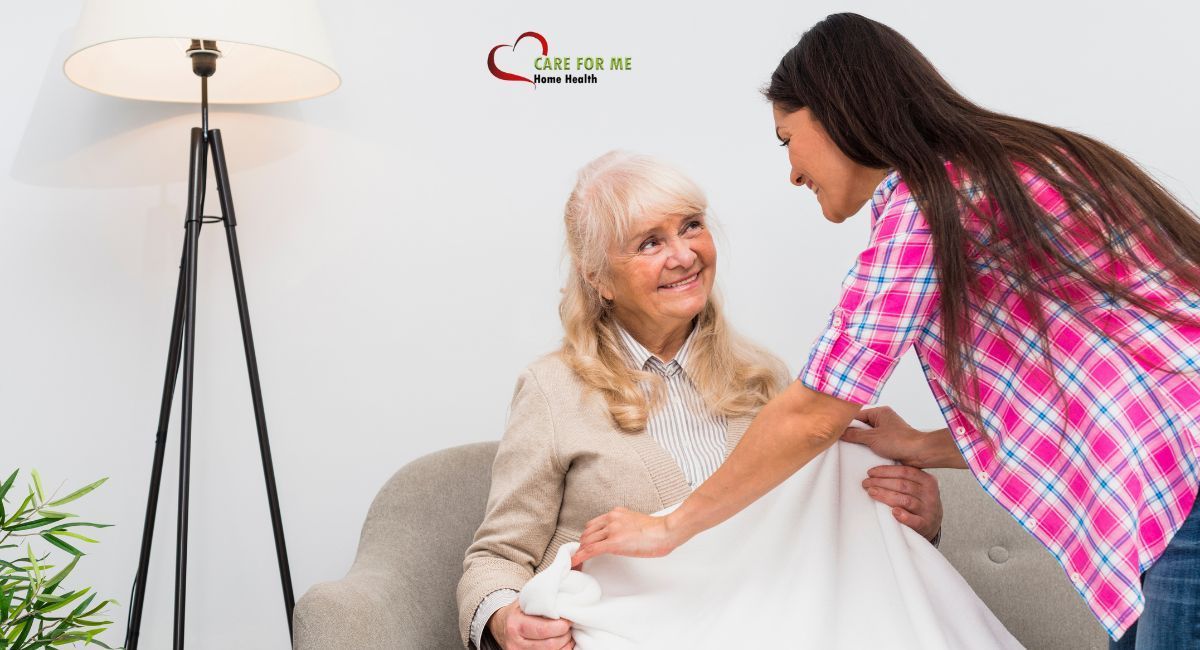
This is where caregivers can play an important role. Caregivers provide practical, non-medical support based on an individual's daily needs. Their assistance can range from companionship and household help to mobility support, personal care, transportation, and help with everyday routines.
Understanding what caregivers actually do can help seniors and their families decide what type of support may be appropriate. This guide explains how caregivers assist with common household and personal tasks and what families can expect from elderly home health care.
How Caregivers Help Seniors at Home
Caregivers help seniors manage everyday activities while providing practical, non-medical support at home. Depending on the individual's needs and care plan, assistance may include:
- Meal planning and preparation
- Housekeeping and laundry
- Grocery shopping and errands
- Mobility assistance
- Bathing and personal care
- Transportation
- Medication reminders
- Companionship and social activities
- Activity planning
- Other daily household tasks
The level of assistance can range from occasional visits to daily or around-the-clock care. The goal is to support seniors with tasks that have become difficult while allowing them to remain involved in their own routines and decisions.
What Does a Caregiver Do for a Senior at Home?
A caregiver helps an older adult manage everyday activities that may have become challenging because of age, limited mobility, or changes in their routine. The level of assistance can vary from occasional support to more regular care, depending on the individual's circumstances.
Caregivers generally focus on non-medical needs. Their role is not to replace a doctor, nurse, or other medical professional. Instead, they provide practical assistance that can help seniors remain comfortable and supported in their homes.
Common areas of assistance include:
- Household chores
- Meal preparation and planning
- Laundry
- Shopping
- Companionship
- Mobility assistance
- Transportation
- Personal care
- Activity planning
- Medication reminders
- Assistance with daily routines
The exact combination of services can be adjusted according to the needs of the senior and their family.
Everyday Tasks Caregivers Can Help With
Daily routines can involve many small responsibilities. When several of these become difficult, having someone available to provide practical assistance can make a meaningful difference.
Meal Planning and Preparation
Preparing meals can become challenging for seniors who have difficulty standing for long periods, shopping for ingredients, or managing kitchen tasks.
A caregiver may assist with meal planning, grocery shopping, and preparing meals at home. This support can make regular meals easier to manage and reduce some of the household responsibilities placed on the senior or their family.
Caregivers provide non-medical assistance rather than prescribing diets or providing clinical nutritional treatment. If a senior has specific dietary requirements, families should follow recommendations from their healthcare professionals.
Housekeeping and Laundry
Keeping up with household chores can require considerable physical effort. Tasks such as vacuuming, cleaning, washing clothes, changing linens, and maintaining an organized home may become harder with limited mobility.
Depending on the agreed care plan, caregivers can assist with routine housekeeping and laundry. Some services may also include other household tasks, such as basic yard maintenance.
This type of support can help seniors maintain their usual household routines without having to handle every physically demanding task themselves.
Shopping and Errands
Shopping for groceries and other household necessities may be difficult when driving, walking long distances, or carrying bags becomes challenging.
Caregivers may assist with shopping or provide transportation for appropriate errands. This can be particularly useful for seniors who still want to remain involved in decisions about their household but need help with the physical aspects of completing errands.
Mobility Assistance
Mobility is another important area where caregivers can provide practical support.
An older adult may need assistance when moving around the home, navigating stairs, getting into or out of a vehicle, or walking during an outing. Caregivers can provide non-medical mobility assistance according to the individual's needs and the services included in their care plan.
The goal is to provide support while respecting the senior's independence. Caregivers should not perform medical procedures or activities outside their training and assigned responsibilities.
Personal Care Assistance
Some seniors need help with personal routines that they previously managed independently.
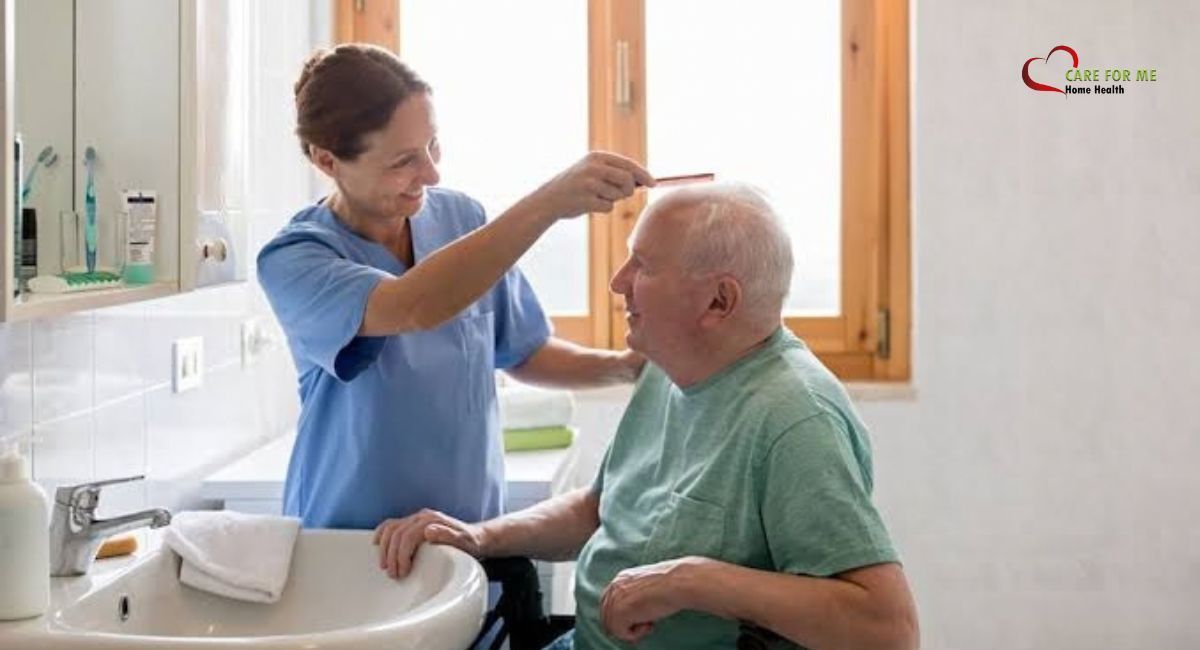
Depending on the service arrangement and caregiver qualifications, assistance may include activities such as bathing, showering, toileting, and incontinence care.
Personal care is different from medical treatment. If a senior requires clinical care, medication administration, wound treatment, or other medical services, those needs should be addressed by an appropriately qualified healthcare professional.
Medication Reminders
For some seniors, remembering when to take regularly prescribed medication can be difficult. A caregiver may provide medication reminders as part of non-medical support.
A reminder is different from administering medication or changing a medication schedule. Caregivers should follow the responsibilities permitted within their role and the applicable care plan.
Transportation Support
Getting to appointments, shopping centers, family activities, or other destinations can become difficult when a senior no longer drives or has mobility limitations.
Transportation assistance can help seniors remain connected to their communities and continue participating in necessary activities. Families should confirm what transportation services are included in a particular care arrangement.
Companionship Is Also Part of Everyday Support
Caregiving is not only about completing physical tasks. Social interaction can also be an important part of a senior's daily routine.
Companionship may include talking, playing games, taking walks, reading, participating in hobbies, or simply spending time together. These activities can provide social engagement and give seniors an opportunity to maintain regular interaction with another person.
For someone who lives alone, regular companionship may also provide family members with reassurance that their loved one has additional social support during the day.
How Senior Services Can Support Independence
A common misconception is that receiving assistance at home means giving up independence. In many situations, the opposite can be true.
Appropriate support can allow seniors to continue doing the activities they are capable of doing while receiving help with tasks that have become difficult.
For example, a senior may still want to choose their meals, organize their schedule, participate in hobbies, and make decisions about their home. A caregiver can assist with the physical or routine aspects while allowing the senior to remain involved.
This approach is one reason personalized senior services can be useful. Support can focus on the areas where assistance is actually needed rather than taking over every aspect of daily life.
Common Everyday Tasks and Caregiver Support
| Everyday Need | Possible Caregiver Support | Main Benefit |
|---|---|---|
| Meal preparation | Meal planning and preparing food | Makes daily meals easier to manage |
| Housekeeping | Cleaning and routine household tasks | Helps maintain an organized home |
| Laundry | Washing and managing clothes and linens | Reduces physically demanding chores |
| Shopping | Grocery shopping and errands | Helps seniors obtain household necessities |
| Mobility | Assistance with walking and movement | Provides practical support with daily movement |
| Personal care | Bathing, toileting, and related assistance | Supports personal routines |
| Companionship | Conversation, games, walks, and activities | Encourages regular social interaction |
| Transportation | Assistance with appropriate transportation needs | Helps seniors remain active outside the home |
| Medication reminders | Reminders about scheduled medications | Supports routine management |
| Activity planning | Planning suitable daily activities | Helps create structure and engagement |
The services available to a particular senior can depend on their needs, care plan, caregiver qualifications, and the provider's scope of service.
When Might a Senior Need More Help at Home?
There is no single point at which every senior needs caregiving support. However, certain changes may suggest that additional assistance could be useful.
Families may notice that an older adult:
- Has difficulty keeping up with household chores
- Frequently skips or struggles to prepare meals
- Needs help with bathing or other personal routines
- Has trouble moving safely around the home
- Is no longer comfortable driving
- Has difficulty completing grocery shopping
- Spends long periods alone and wants more companionship
- Needs reminders to maintain regular daily routines
- Relies heavily on family members for everyday tasks
These signs do not automatically mean a senior requires full-time care. They can simply indicate that it may be worth discussing available support options.
How Families Can Choose Appropriate Support
Before arranging elderly home health care, families should consider what the senior actually needs. Start by identifying the tasks that have become difficult rather than assuming that every type of care is necessary.
Consider questions such as:
- Which household tasks are becoming difficult?
- Does the senior need help with personal care?
- Is mobility assistance required?
- How often is companionship needed?
- Does the senior need help with shopping or transportation?
- Are medication reminders part of the daily routine?
- Would occasional, daily, or around-the-clock assistance be appropriate?
It is also useful to discuss the senior's preferences. Some older adults may be comfortable accepting help with housekeeping but prefer to remain independent with personal routines. Others may need more comprehensive assistance.
Care For Me Home Health provides non-medical home care services that can include companionship, housekeeping, mobility assistance, personal care, transportation, meal preparation, and support with other everyday activities.
Understanding Non-Medical Home Care
It is important for families to understand what non-medical care means before arranging services.
Non-medical care focuses on daily living and personal support rather than diagnosis or treatment of medical conditions. A caregiver may help with household activities, companionship, transportation, mobility, personal routines, or medication reminders.
Medical concerns should continue to be managed by the appropriate healthcare professionals. If a senior has changing medical needs, families should communicate with their healthcare provider and determine whether additional clinical services are necessary.
Medicaid and Paying for Home Care
The cost of home care is an important consideration for many families. Depending on eligibility and circumstances, Medicaid may help cover certain home care services in Pennsylvania.
Coverage rules, eligibility requirements, and covered services can vary, so families should confirm current requirements through the appropriate Medicaid resources and their care provider.
For more information about this topic, families can explore the guide on whether Medicaid pays for home care in Pennsylvania to learn more about potential coverage and payment considerations.
What Makes In-Home Support Different?
One of the main advantages of receiving support at home is that the senior can remain in a familiar setting. Instead of changing their entire living environment, assistance is brought into the home.
This can make it easier to maintain established routines. Seniors may continue living among familiar belongings, preparing meals in their own kitchen, spending time in their neighbourhood, and participating in activities they enjoy.
The right level of assistance can also change over time. A senior may initially need help with housekeeping and shopping but later require additional mobility or personal care assistance. Regular communication between the senior, family members, caregiver, and provider can help identify changing needs.
Final Thoughts
Everyday tasks can become more challenging as people age, but needing assistance does not necessarily mean that a senior has to give up their independence. Practical support with meals, housekeeping, shopping, mobility, personal care, transportation, and companionship can make daily life more manageable.
The most appropriate senior services depend on the individual's circumstances, preferences, and level of support required. By identifying specific needs and choosing assistance that fits those needs, families can help older adults remain comfortable and engaged in their familiar home environment. To discuss your care needs, contact our team.
For families considering elderly home health care, starting with a clear understanding of the services available can make the decision-making process easier and more informed.
Frequently Asked Questions
1. What everyday tasks can caregivers help seniors with?
Caregivers may assist with housekeeping, laundry, meal preparation, shopping, transportation, companionship, mobility, personal care, activity planning, and medication reminders, depending on the care plan and caregiver responsibilities.
2. Is elderly home health care the same as medical care?
No. Elderly home health care can refer to different types of services, so families should clarify what a provider offers. Non-medical home care focuses on daily living, personal support, companionship, and household assistance rather than diagnosing or treating medical conditions.
3. Can caregivers help with bathing and personal care?
Depending on the service arrangement and caregiver qualifications, caregivers or home health aides may provide assistance with bathing, showering, toileting, and incontinence care.
4. Can caregivers provide medication?
Non-medical caregivers may provide medication reminders when this is part of their assigned responsibilities. Medication administration, changes to prescriptions, and medical decisions should be handled by appropriately qualified healthcare professionals.
5. How often can a senior receive caregiver assistance?
The schedule can vary according to the senior's needs and the agreed care arrangement. Some people may need occasional assistance, while others may require daily or around-the-clock support.