What Is In-Home Care for Seniors? A Simple Guide for Philadelphia Families
Watching a parent or grandparent grow older brings a mix of emotions. You want them to stay comfortable in the home they love, but you also worry about whether they are safe when no one else is around. This is the exact situation that leads many Philadelphia families to start researching an in home care service for the first time.
If you are new to this topic, the terminology alone can feel overwhelming. What is the difference between home care and home health care? Who actually qualifies for help? And how do you know if it is the right time to bring someone in? This guide walks through the basics in plain language, using real examples from how senior services work in the Philadelphia area.
What Does In-Home Care Actually Mean?
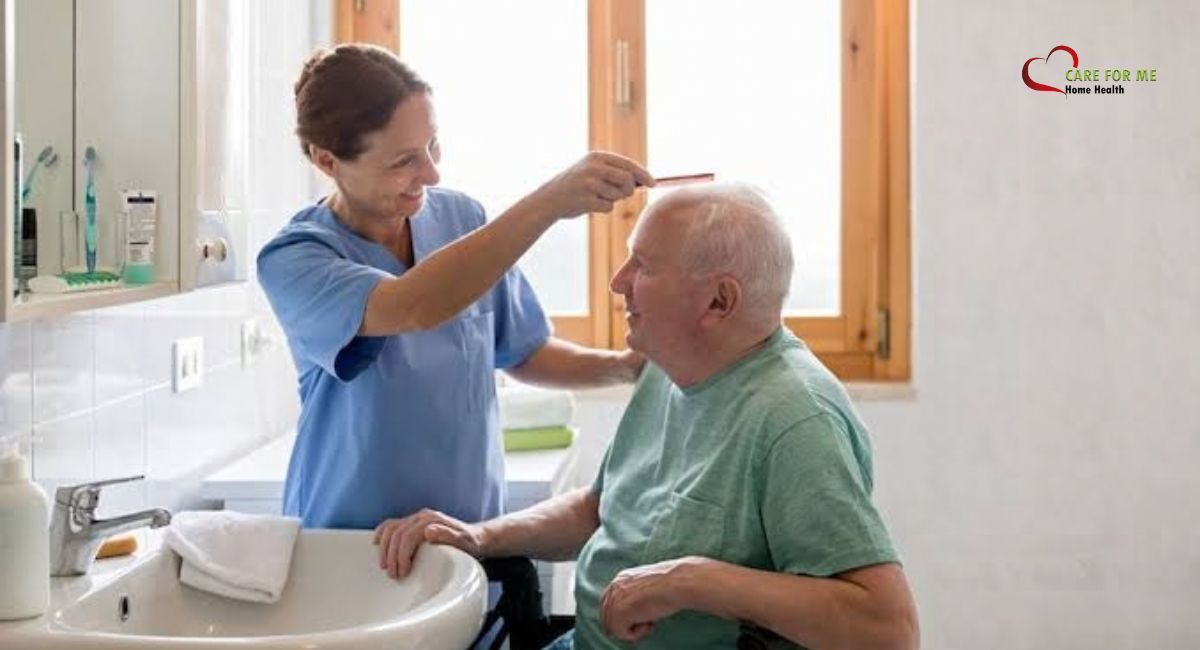
In-home care refers to non-medical support that helps older adults manage daily life safely inside their own homes. It is not the same as hospital care or skilled nursing. Instead, a trained caregiver visits the home to assist with everyday tasks that have become harder to manage alone.
A typical in home care service can include:
- Companionship and conversation
- Help with light housekeeping and daily chores
- Medication reminders
- Planning and encouraging daily activities
- Assistance with shopping and errands
The goal is simple. Seniors get to stay in a familiar, comfortable environment, and families get peace of mind knowing someone is checking in and lending a hand.
Why Families Choose In-Home Care Over Other Options
Many older adults have a strong preference to age in place rather than move into a facility. In-home care makes that possible without asking a senior to give up their independence. A caregiver can visit for a few hours a day, several days a week, or provide around the clock support, depending on what the situation calls for.
This flexibility is one of the biggest reasons families in Philadelphia, Montgomery, Chester, Delaware, and Bucks Counties look for local senior services rather than immediately considering assisted living. It allows care to grow alongside a person's needs, instead of forcing a big life change all at once.
In-Home Care vs. Elderly Home Health Care: What Is the Difference?
This is one of the most common points of confusion, so it is worth explaining clearly.
In-home care (sometimes called personal care or companion care) is non-medical. Caregivers assist with daily living activities but do not perform clinical tasks like wound care, injections, or physical therapy.
Elderly home health care, on the other hand, usually involves licensed medical professionals such as nurses or therapists who provide skilled, clinical services in the home. This is typically ordered by a doctor for a specific medical need, such as recovery after surgery.
Many families need both types of support at different points, and sometimes at the same time. Understanding which category a service falls under helps you ask the right questions when comparing providers.
| Feature | In-Home Care (Non-Medical) | Elderly Home Health Care (Medical) |
|---|---|---|
| Who provides it | Trained caregivers or home health aides | Licensed nurses or therapists |
| Type of support | Companionship, housekeeping, daily tasks | Wound care, medication administration, therapy |
| Requires a doctor's order | Usually not | Typically yes |
| Common duration | Ongoing, flexible schedule | Often short term, tied to a medical event |
| Goal | Support independence and daily comfort | Treat or manage a specific health condition |
Signs a Loved One May Benefit from Senior Services
It is not always obvious when it is time to bring in extra help. Families often wait until there is a fall, a missed medication, or another scare before reaching out. Recognizing the early signs can make the transition smoother and safer.
Everyday Warning Signs
- Forgetting to take medication or taking the wrong dose
- Difficulty keeping up with housekeeping or laundry
- Noticeable weight loss or skipped meals
- Withdrawing from friends, hobbies, or usual routines
- Unopened mail, unpaid bills, or general disorganization
Safety-Related Warning Signs
- Trouble with stairs, standing, or walking steadily
- Bruises or injuries that were not explained
- Getting lost in familiar places
- Leaving the stove on or forgetting appliances running
If you notice even a few of these signs, it may be worth having a conversation about bringing in support. In many cases, a modest amount of help, such as a few visits a week, is enough to restore both safety and confidence.
How In-Home Care Services Typically Work
Getting started with an in home care service usually follows a similar pattern, whether you are working with a large agency or a smaller local provider.
- Initial conversation. A family member or the senior themselves reaches out to discuss needs, concerns, and daily routines.
- Assessment. The provider learns more about the level of care required, whether that is a few hours of companionship or more comprehensive daily assistance.
- Care plan. A schedule is built around the person's actual needs, which can range from occasional visits to 24-hour coverage.
- Caregiver matching. A trained caregiver or aide is assigned based on the plan and the personality fit with the client.
- Ongoing check-ins. Good providers stay in touch with families to adjust the plan as needs change over time.
This process is designed to be flexible. Needs rarely stay the same for years at a time, so a good senior services provider should be willing to revisit the plan as circumstances shift.
Who Is Eligible for In-Home Care?
Eligibility varies by provider, but non-medical in-home care is generally available to older adults aged 55 and over who want extra help managing daily life. Unlike some medical home health services, non-medical care usually does not require a doctor's referral.
Payment options also vary. Some providers accept Medicaid, while others work on a private pay basis, and some offer both. For example, providers serving the Philadelphia area, including counties like Montgomery, Chester, Delaware, and Bucks, often work with both Medicaid recipients and private pay clients, which gives families more flexibility depending on their financial situation. It is worth asking any provider directly about coverage options, since this can significantly affect what kind of care plan is realistic for your family.
Questions to Ask Before Choosing a Provider
Not all senior services are structured the same way, so it helps to ask a few direct questions before committing to a provider.
- How long has the agency been operating in this area?
- Are caregivers trained, background checked, and supervised?
- Can care be scheduled day by day, or only in fixed blocks?
- Is 24-hour or overnight care available if needs increase?
- What happens if a scheduled caregiver is unavailable?
- Does the agency accept Medicaid, private pay, or both?
Providers with an established local presence and years of experience in the community, such as agencies that have served Philadelphia families for a decade or more, often have more consistent processes in place for handling scheduling changes, caregiver training, and communication with families.
Making the Transition Easier for Everyone
Bringing outside help into a loved one's home can feel like a big step, especially for the senior themselves. A few things can make the transition smoother. Start the conversation early, before a crisis forces a rushed decision. Involve your loved one in choosing their schedule and, when possible, their caregiver, so they feel a sense of control. Begin with a smaller amount of support, such as a few hours a week, and increase it gradually as trust builds. Keep communication open with the care provider so that small concerns can be addressed before they grow into bigger problems.
Most importantly, remember that accepting help is not a loss of independence. For many seniors, the right support actually allows them to stay independent longer, because it reduces the risk of a fall, a missed medication, or another setback that could force a more disruptive change.
What a Typical Day of In-Home Care Looks Like
It can help to picture what an in home care service actually looks like day to day, rather than thinking of it as an abstract concept. A caregiver visit is not a clinical appointment. It usually looks more like a helpful friend stopping by.
A morning visit might start with a check-in on how the night went, followed by help getting ready for the day and a reminder to take morning medication. From there, a caregiver might prepare a simple breakfast, tidy up the kitchen, or sit down and chat over coffee. Later in the visit, there could be a walk around the block, a trip to the pharmacy or grocery store, or time spent on a favorite hobby together.
For families who need more than a few hours of support, care can be extended into overnight or 24-hour arrangements. In these cases, a caregiver remains present through the evening and night, offering reassurance for both the senior and their family that someone is close by if anything comes up. The exact structure of each visit is generally built around the person's own routine, not the other way around, which is part of what makes senior services feel less disruptive than a move to a facility.
The Emotional Side of In-Home Care
It is easy to focus only on the practical tasks involved in elderly home health care and in-home support, but the emotional side matters just as much. Loneliness is a real and common issue among older adults, particularly those who live alone or have outlived close friends and family members. A consistent caregiver relationship can address this in a way that occasional family visits cannot always manage on their own.
Companionship is not just a nice extra. Regular social interaction has been linked to better overall wellbeing in older adults, including improved mood and a greater sense of purpose. When a caregiver visits on a predictable schedule, it gives structure to the week and something to look forward to, which can make a meaningful difference beyond the physical tasks being completed.
Families also benefit emotionally from bringing in support. Caregiving responsibilities can be exhausting, especially for adult children who are also managing their own careers and households. Sharing that responsibility with a trained caregiver does not mean stepping away from a loved one. It simply means there is a wider support system in place, which often improves the relationship between family members because visits can go back to being about connection rather than only logistics and worry.
Balancing Independence and Safety
One of the more delicate parts of arranging in-home care is respecting a senior's independence while still addressing genuine safety concerns. These two goals can feel like they are in conflict, but in practice, the right care plan supports both at once.
Rather than taking over daily tasks entirely, most in-home care services are built around assisting where needed and stepping back where a person is still capable. A caregiver might help carry groceries but let the senior choose what to buy. They might remind someone to take medication but let the person manage their own schedule otherwise. This balance helps preserve a sense of control, which many older adults value as much as physical safety.
Families sometimes worry that suggesting help will feel like an insult to a parent's independence. In most cases, framing the conversation around specific tasks, rather than general capability, makes it easier. Instead of saying a loved one can no longer manage alone, it can help to point to something concrete, such as difficulty with stairs or a forgotten dose of medication, and offer support for that particular challenge.
Final Thoughts
Choosing an in home care service for a parent or loved one is rarely a simple decision, but understanding the basics makes it far less intimidating. Knowing the difference between non-medical care and elderly home health care, recognizing the warning signs that indicate a need for help, and asking the right questions of any provider can guide you toward a solution that fits your family's specific situation. For many Philadelphia area families, the right senior services can mean the difference between a stressful daily routine and a loved one who continues to feel safe, supported, and at home. Contact us today to learn more about your care options.
Frequently Asked Questions
1. What is the difference between home care and home health care?
Home care is non-medical assistance with daily living, like companionship, housekeeping, and medication reminders. Home health care involves licensed medical professionals delivering clinical services, usually ordered by a doctor.
2. At what age can someone start receiving in-home care?
This depends on the provider, but non-medical senior services are commonly available for adults aged 55 and over, particularly when a health or safety concern has come up.
3. Does insurance or Medicaid cover in-home care?
Coverage varies by provider and by individual circumstances. Some agencies accept Medicaid, while others operate on a private pay basis, and some accept both. It is best to ask a provider directly about your specific situation.
4. How many hours of care can be scheduled?
Most providers offer flexible scheduling, ranging from a few hours a day to full around the clock coverage, depending on the needs identified during the initial assessment.
5. Is in-home care only for people with serious health conditions?
No. Many seniors use in-home care simply for companionship, help with errands, or support around the house, without having a specific medical condition that requires clinical attention.
6. How do I know if my family member needs help right now?
Watch for signs like missed medications, trouble with housekeeping, unexplained bruises, or withdrawal from usual routines. If several of these signs appear together, it is a reasonable time to look into support options.