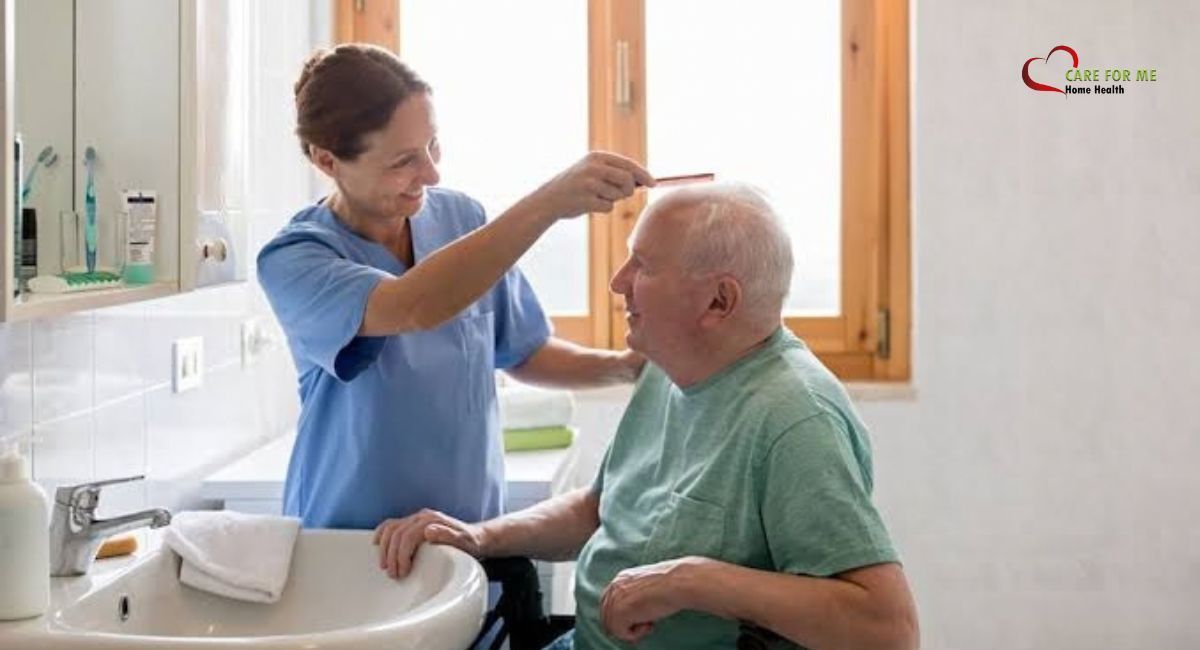
Light Housekeeping for Seniors: What Caregivers Can Help With
Housekeeping is one of those parts of daily life that most people barely think about until it becomes difficult. Loading the washer, keeping the kitchen clean, or mowing the lawn are routine tasks for most adults, but for an aging parent dealing with reduced mobility, fatigue, or joint pain, these same chores can quietly pile up week after week. This is where light housekeeping services come in, offering practical, everyday support that helps older adults stay comfortable and safe in their own homes.
This article explains what housekeeping for seniors typically involves, how it fits within broader senior services, and why it is often one of the most requested forms of support families look for.
What Is Light Housekeeping in Home Care?
Light housekeeping refers to routine, non-strenuous household tasks that a caregiver helps with during a scheduled visit. It is different from a professional cleaning service in that it is usually built into a broader care visit, alongside companionship or other daily support, rather than being a standalone deep clean.
The word light matters here. Caregivers generally focus on manageable, regular upkeep rather than heavy duty projects like moving furniture or major renovations. The goal is to help maintain a clean, safe, and organized living space, not to replace occasional professional cleaning services entirely.
Why Light Housekeeping Matters for Older Adults
It is easy to underestimate how much a cluttered or unclean home can affect someone's daily life and safety. A few reasons housekeeping support tends to matter more as people age include the following.
Fall risk. Clutter, spills, and disorganized walkways are common causes of falls among seniors, particularly those with balance or mobility issues.
Hygiene and health. A buildup of dirty dishes, unwashed laundry, or spoiled food can contribute to illness, pest issues, or general discomfort.
Mental wellbeing. Living in a messy or disorganized space can affect mood and motivation, especially for someone who previously took pride in keeping a tidy home.
Energy conservation. For seniors managing fatigue or chronic conditions, saving energy for the tasks that matter most, like eating well or attending appointments, often means letting go of some housekeeping responsibilities.
What Light Housekeeping Services Typically Include
Housekeeping support can vary based on individual needs, but most light housekeeping services cover a similar core set of tasks.
General Cleaning
This usually includes wiping down kitchen counters, cleaning bathrooms, vacuuming or sweeping floors, and tidying common living areas. The focus is on keeping the home sanitary and free of hazards rather than deep cleaning every surface during each visit.
Laundry
Washing, drying, and folding clothes and linens is a common part of housekeeping support, particularly for seniors who find it physically difficult to carry laundry baskets or operate machines located in a basement or on a different floor.
Meal Planning and Kitchen Upkeep
Housekeeping support often extends into the kitchen, including help with meal planning, light food preparation, and cleaning up afterward. This can make a meaningful difference for seniors who have started skipping meals simply because cooking and clean up feel like too much effort.
Yard Maintenance
Basic outdoor upkeep, such as light yard work, is sometimes included as part of a broader housekeeping and home care plan. This helps maintain the safety and appearance of the property without requiring the senior to manage physically demanding outdoor tasks alone.
Light Housekeeping vs. Other Types of Home Care
Housekeeping is often mentioned alongside companionship and personal care, but each category serves a different purpose. Understanding the distinction can help families figure out exactly what kind of support they need.
| Type of Support | Main Focus | Typical Tasks |
|---|---|---|
| Light housekeeping | Maintaining a clean, safe home environment | Cleaning, laundry, meal planning, light yard work |
| Companionship | Emotional wellbeing and social connection | Conversation, games, walks, shared activities |
| Personal care | Hands-on physical assistance | Bathing, dressing, mobility support, incontinence care |
Many care plans combine more than one of these categories in a single visit, since a caregiver might help with light housekeeping while also spending time chatting or assisting with other daily needs.
Signs a Senior Could Benefit from Housekeeping Support
It is not always obvious when housekeeping has become a struggle, especially if a parent is reluctant to admit they need help. A few common signs are worth watching for.
Piles of laundry that go unwashed for extended periods, noticeable clutter or dust buildup, spoiled food left in the refrigerator, and a general decline in how tidy the home appears compared to how it used to look are all common indicators. Difficulty bending, reaching, or standing for long periods, which makes chores physically painful or exhausting, is another common reason families start looking into housekeeping support.
If these signs sound familiar, it may be worth having a conversation about bringing in some help, even if it starts with just a few hours a week.
How Caregivers Approach Housekeeping Tasks
Good housekeeping support is not about taking over a senior's home. It is about assisting in a way that respects their routines, preferences, and independence. A caregiver providing light housekeeping services typically works around the client's schedule and habits, rather than imposing a rigid system.
This often means asking how someone likes their kitchen organized, which cleaning products they prefer, or which tasks they still want to handle themselves. This collaborative approach helps preserve a sense of ownership over the home, even while accepting extra support with the physical demands of upkeep.
Is Light Housekeeping Covered Through Medicaid or Private Pay?
Families often ask whether housekeeping is included under broader home care coverage. In many cases, light housekeeping is bundled into a general home care visit alongside companionship or other non-medical support, rather than billed as a completely separate service.
Coverage details vary depending on whether a family is paying privately or working through a Medicaid program for long term services and supports. Providers who accept both private pay and Medicaid can typically clarify what is included in a specific care plan, since housekeeping is often built into the broader scope of senior services rather than treated as an add-on.
Final Thoughts
Light housekeeping services might not sound as significant as personal care or medical support, but they play a major role in helping seniors stay safe, comfortable, and independent at home. From laundry and meal planning to basic cleaning and yard upkeep, housekeeping for seniors addresses the everyday tasks that can quietly become overwhelming with age. If you think a loved one could benefit from this kind of support, contact us today and we can talk through what a housekeeping focused care plan could look like.
Frequently Asked Questions
1. What counts as light housekeeping in home care?
Light housekeeping generally includes tasks like cleaning, laundry, meal planning, and basic yard maintenance, all handled during a scheduled caregiver visit rather than as a separate deep cleaning service.
2. Is light housekeeping only for seniors who live alone?
No. Seniors living with a spouse or family member can also benefit from housekeeping support, particularly if physical limitations make it hard for either person to keep up with chores.
3. Can housekeeping be combined with companionship visits?
Yes. Many care plans combine housekeeping with companionship, allowing a caregiver to help with chores while also spending time with the client during the same visit.
4. Does light housekeeping include deep cleaning or organizing a whole house?
Typically not. Light housekeeping focuses on regular, manageable upkeep rather than large scale projects like deep cleaning every room or major reorganization.
5. How do I know if my parents need housekeeping help?
Watch for signs like piles of unwashed laundry, visible clutter, spoiled food, or difficulty bending and reaching during chores. These are common indicators that light housekeeping support could help.