What Does Personal Care at Home Include for Seniors?
Personal care for elderly adults refers to hands-on support with tasks like bathing, dressing, toileting, and incontinence care, usually provided by a trained home health aide rather than a general caregiver. It is different from companionship or housekeeping, since it involves more direct physical assistance. Most personal care is non-medical, though it is often delivered alongside other forms of elderly home health care. Families across Pennsylvania can typically access this level of support through Medicaid or private pay, depending on eligibility and preference.
When people first hear the term personal care, they often assume it means the same thing as general home care or companionship. In reality, personal care is its own category of support, and understanding what it actually covers can make a real difference when deciding what kind of help a loved one needs.
This article breaks down what in home personal care typically includes, who provides it, and how it fits alongside other forms of support available to families looking into home care in Pennsylvania.
What Is Personal Care at Home?
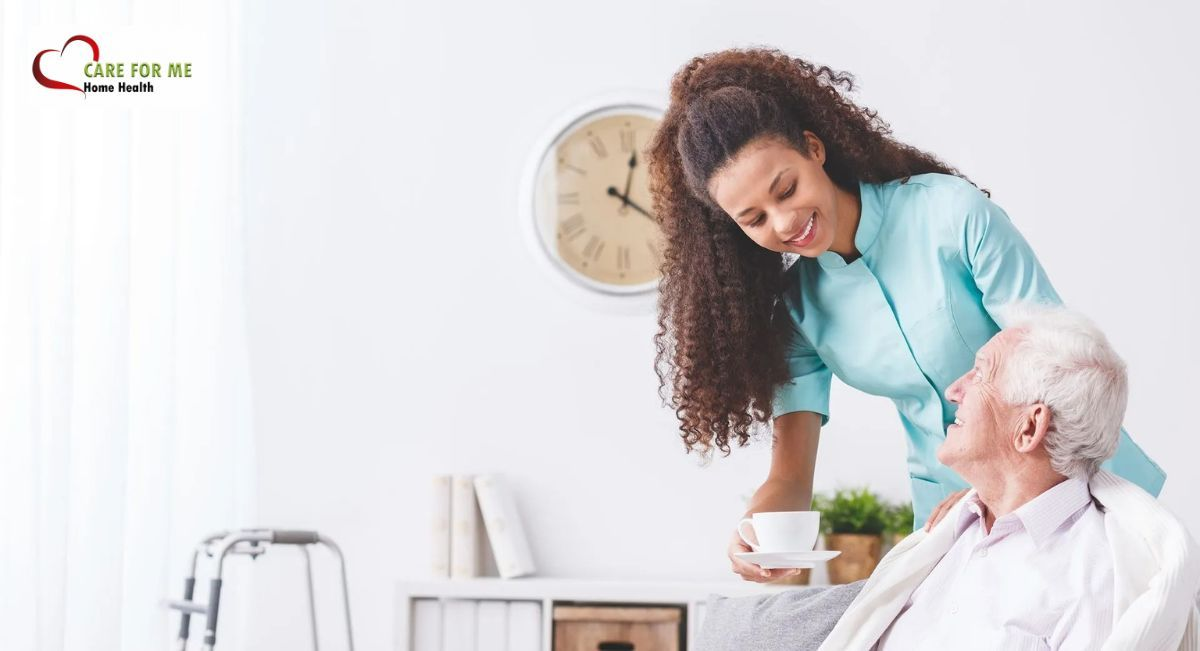
Personal care refers to hands-on assistance with intimate daily tasks that become harder to manage safely without help. Unlike companionship, which focuses on conversation and activities, or housekeeping, which covers chores around the house, personal care involves direct physical support with things like bathing and mobility.
This type of care is typically provided by a trained home health aide, sometimes referred to as an HHA, rather than a general caregiver. Home health aides receive specific training to handle these more sensitive tasks safely and respectfully, which is part of what separates personal care from broader companion style support.
What Personal Care Typically Includes
Personal care covers a range of tasks, and the exact combination depends on what a specific individual needs. Common areas of support include:
- Bathing and showering assistance
- Help with dressing and grooming
- Incontinence care and toileting support
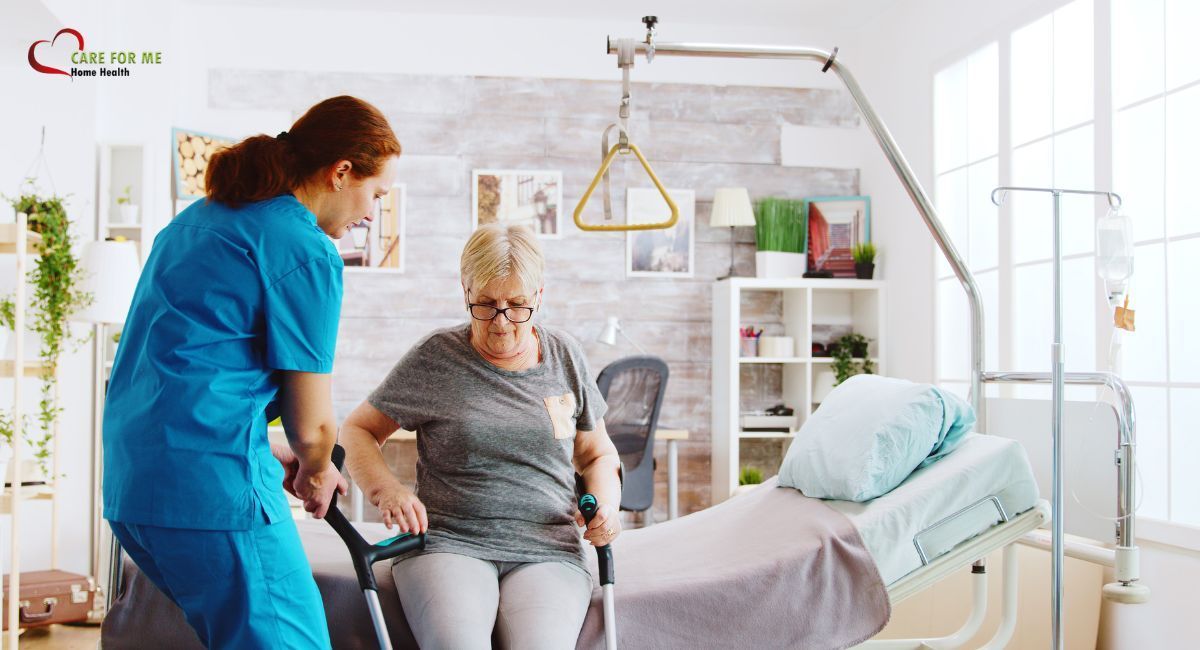
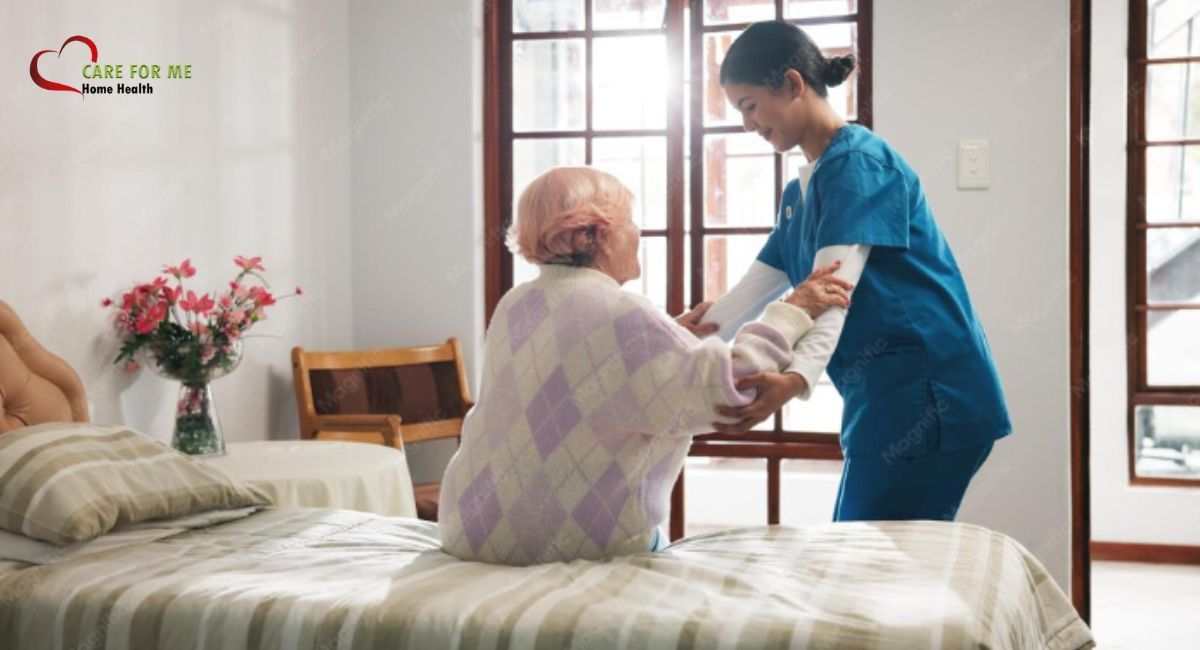
- Mobility assistance, including getting in and out of bed or a chair
- Transfers to and from a car, wheelchair, or stairs
- Support with sitting, standing, and general balance
These tasks are often the ones families feel least equipped to handle on their own, either because of the physical demands involved or because of the personal nature of the assistance required.
Personal Care vs. Other Types of Home Care
It helps to see how personal care compares to the other common categories of in home support, since many families use these terms interchangeably even though they cover different needs.
| Type of Care | What It Includes | Who Typically Provides It |
|---|---|---|
| Companionship | Conversation, activities, and emotional support | Trained caregivers |
| Housekeeping | Meal planning, laundry, cleaning, and light chores | Trained caregivers |
| Personal Care | Bathing, dressing, toileting, and mobility assistance | Home health aides |
| Elderly Home Health Care | Broader non-medical health-related support, including personal care | Home health aides |
As the table shows, personal care sits within the wider category of elderly home health care, but it specifically refers to the physical, hands on side of daily support rather than medical treatment.
Signs a Loved One May Need Personal Care
It is not always obvious when companionship or housekeeping help is no longer enough. A few common signs suggest that personal care for elderly family members may be worth exploring.
Difficulty getting in or out of the shower safely, avoiding baths altogether, or a noticeable decline in personal hygiene are often early indicators. Struggling to dress independently, frequent stumbles while standing or walking, and challenges managing incontinence without support are also common signs that hands-on assistance would help.
Families sometimes notice these changes gradually, which can make it easy to underestimate how much support is actually needed until a fall or other safety concern brings the issue into focus.
Is Personal Care Considered Medical or Non-Medical?
This is a common point of confusion. Personal care is generally classified as non-medical, since it does not involve clinical treatment, medication administration, or wound care performed by a nurse. That said, it is often grouped under the broader term elderly home health care because it addresses health related needs, even though it does not require a medical license to provide.
Home health aides are trained specifically for these tasks, which allows them to assist safely with things like bathing, transfers, and incontinence care without the service being classified as skilled medical care. This distinction matters for families comparing options, since non-medical personal care is usually more accessible and does not always require a doctor's order to begin.
How Personal Care Fits Into a Broader Care Plan
Personal care rarely exists entirely on its own. Many families start with companionship or housekeeping support, then add personal care as physical needs increase over time. Others begin directly with personal care if a parent has had a fall, a hospital stay, or a noticeable decline in mobility.
A well built care plan usually blends these services based on what a person actually needs day to day. Someone might receive help with bathing in the morning, along with light housekeeping and companionship later in the visit, all coordinated through the same caregiver or aide.
Paying for Personal Care in Pennsylvania
Families exploring home care in Pennsylvania often ask whether personal care is covered by insurance or Medicaid. Coverage depends on the specific situation. Some families pay privately, which allows care to begin quickly without a separate eligibility review. Others may qualify for coverage through Pennsylvania Medicaid programs designed for long term services and supports, which typically involves a functional and financial eligibility assessment before services are approved.
Providers who work with both Medicaid and private pay clients can often help families understand which option fits their situation, especially when personal care needs are expected to increase over time.
Final Thoughts
Personal care for elderly loved ones covers some of the most sensitive and physically demanding parts of daily life, from bathing and dressing to mobility and incontinence support. Understanding how it differs from companionship and housekeeping can help families choose the right level of in home personal care for their situation. If you are trying to figure out what kind of support makes sense for your family,
contact us today to discuss your needs and learn more about the available care options.
Frequently Asked Questions
1. What is the difference between personal care and companion care?
Companion care focuses on conversation, activities, and emotional support, while personal care involves hands on assistance with tasks like bathing, dressing, and toileting.
2. Do you need a doctor's referral for personal care at home?
Non-medical personal care typically does not require a doctor's referral, though a general assessment is usually done to determine what level of support is needed.
3. Is personal care only for people with serious mobility issues?
No. Personal care can range from light assistance with dressing to more involved support with bathing and transfers, depending on individual needs.
4. Can personal care be combined with housekeeping or companionship?
Yes. Many care plans include a mix of services, since a single visit can cover personal care tasks alongside light housekeeping or companionship.
5. Does Medicaid cover personal care services in Pennsylvania?
Some Pennsylvania Medicaid programs cover personal care through long term services and supports, though eligibility depends on both financial and functional requirements.